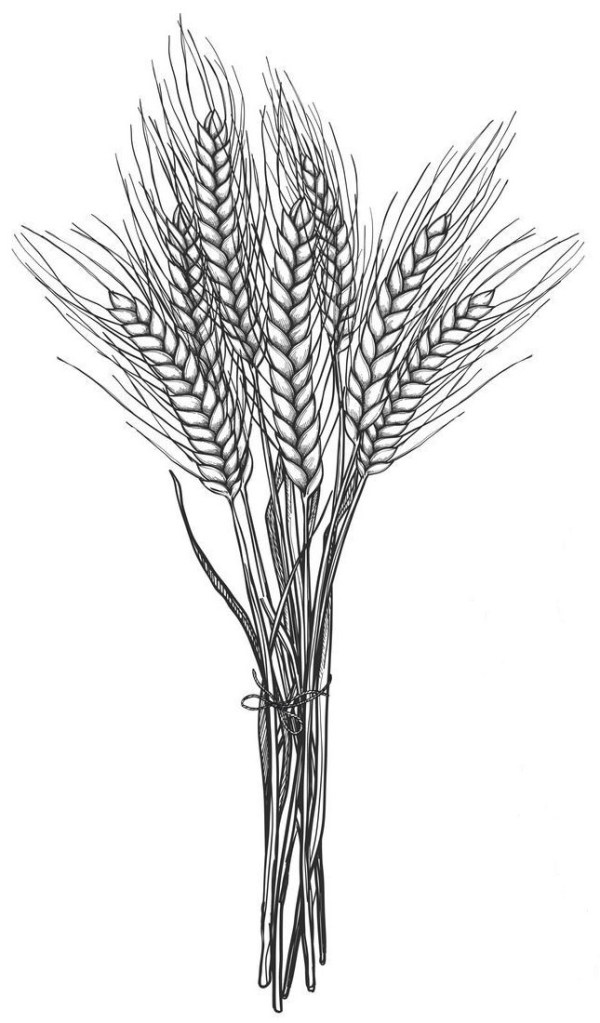
Bread can be made from many types of grain. Although most bread is made from some variety of wheat, other more exotic grains can also be used such as rye, rice, sorghum, quinoa and millet. I try to purchase only grains that are certified to be organically grown and sourced from either the United States or Canada.
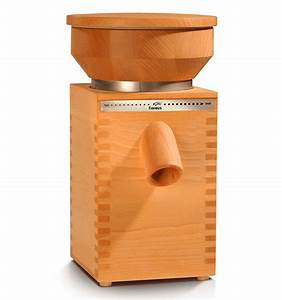
Grains are supplied in the raw form, called “berries” which is how they are stored until I am ready to use them. The berries are stored in an air-tight container and I grind them at the time of use, creating whole grain flour that includes all parts of the grain, which maximizes the health benefits. Here are some descriptions of the grains I primarily use:
Spelt (wheat) – Also known as dinkel wheat or hulled wheat, spelt is a species of wheat that has been cultivated since approximately 5000 BC. In Greek mythology spelt was a gift to the Greeks from the goddess Demeter. The earliest archaeological evidence of spelt is from the fifth millennium BC in Transcaucasia, north-east of the Black Sea. Remains of spelt have been found in some later sites (2500–1700 BC) in Central Europe. During the Bronze Age, spelt spread widely in central Europe. In the Iron Age (750–15 BC), spelt became a principal wheat species in southern Germany and Switzerland, and by 500 BC, it was in common use in southern Britain. Spelt was introduced to the United States in the 1890s. In the 20th century, spelt was replaced by bread wheat in almost all areas where it was still grown. The organic farming movement revived its popularity somewhat toward the end of the century, as spelt requires less fertilizer.
Kamut (wheat)- Kamut® is an ancient grain and the brand name for khorasan wheat, a large amber wheat grain closely related to durum. Kamut® is appreciated for its smooth, buttery, nutty flavor, and its high protein and nutritional content. It contains a high mineral concentration especially in selenium, zinc, and magnesium with 20-40% more protein compared to modern-day wheat. It has a higher lipid to carbohydrate ratio, which means the grain produces greater energy and has a natural sweetness to counterbalance the occasional bitterness present in traditional wheat. Kamut® grain is naturally resistant to pests and can be more easily grown organically than most other types of wheat. This grain is “untouched” by modern plant breeding programs which appear to have sacrificed flavor and nutrition for higher yields dependent upon large amounts of synthetic agricultural inputs. Even though this wheat variety contains gluten, it has been found to be more easily digestible by people who may have slight allergic tendencies. If you are allergic or sensitive to traditional wheat, this may be an acceptable alternative, but do check with your doctor first before you try it.
Red Fife (wheat)- Heirloom Red Fife wheat is known for its exceptional flavor and baking properties while remaining unaltered by modern genetic modification. Named after David Fife, the seed came from Scotland in 1842 and is believed to be a relative of Halychanka Wheat, a Ukrainian Heritage wheat. It has been resurrected by a number of faithful organic heritage wheat farmers mostly in Canada. Red Fife seed is being actively preserved and protected as a Heritage/Heirloom variety. Although it is the foundation of many modern hybrid wheat varieties this wheat has itself not undergone the hybridization of modern wheats. It is thought that mass hybridization of modern wheat has changed the protein structure of wheat leading to the increased cases of gluten sensitivity we see today. Heritage/Heirloom/Ancient grains, such as Red Fife, Turkey Red, Einkorn, Emmer and others may be more easily digestible and tolerated by those with gluten sensitivities. The taste of Red Fife is more complex than common Hard Red Wheats and bread made with it bakes up moister, with a cohesive crumb. Especially suited to bread, it has a high gluten content that can be used by itself or mixed with low gluten flours (spelt, rye, etc.) for excellent results.
Hard White Spring (wheat) – White wheat is a different type of wheat that has no major genes for bran color (unlike traditional “red” wheat which has one to three bran color genes). An easy way to think of it is as a sort of albino wheat. The bran of white wheat is not only lighter in color but it’s also milder in flavor, making whole white wheat more appealing to many people accustomed to the taste of refined flour. The term “hard” refers to the higher protein content of this wheat. White wheat does not contain the strongly-flavored phenolic compounds that are in red wheat. This gives white wheat a milder flavor, and also means that products made with white wheat require less added sweetener to attain the same level of perceived sweetness. Experts consider red and white wheat to be the same, nutritionally. Most of the nutrition differences among wheat varieties are driven by environmental conditions, such as weather and soil composition. Current source is Palouse Trading located in Palouse, Washington state.
Hard Red Spring (wheat) – Hard red spring (HRS) wheat stands out as the aristocrat of wheat for baking bread. Hard red spring has the highest protein content of all U.S. wheats (usually 13 to 16 percent) which, in turn, corresponds with greater gluten content. Some of the world’s finest yeast breads, hard rolls, bagels, and pizza crusts are made with HRS. Flours mills also use HRS extensively as a blending wheat to increase the gluten strength in batches of flour. Adding HRS to lower protein wheat improves dough handling and mixing characteristics as well as water absorption. HRS is grown mostly in the northern areas of the U.S., where summers are generally mild and not too hot for young, tender plants. It is planted from April through late May and harvested in August and September. The majority of the HRS grown in this country – about 95 percent – is grown in the states of North Dakota, Minnesota, Montana, and South Dakota. Idaho and Washington also grow HRS. North Dakota accounts for slightly more than half of the annual U.S. HRS production. Current Source is Palouse Trading located in Palouse, Washington state.
Heritage Dark Northern (rye) – Rye is unusual among grains for the high level of fiber in its endosperm, not just in its bran. It has substantially less gluten and more water-soluble protein than wheat. With its dark color, it is loaded in natural anti-oxidants and phyto-nutrients. Dark Northern Rye, in particular, makes some of the most nutritional flour. This Heritage Dark Northern Rye is an heirloom variety that has been passed from farmer to farmer for over 100 years. It is an amazingly large, sweet berry with superb rye flavor.
In addition, I use other specialized grains including:
Sorghum (flour) – Used in gluten-free baking, this mild tasting flour is a good high-fiber alternative to wheat. Sorghum is an ancient cereal grain that originated in parts of Africa and Australia more than 5,000 years ago! The sorghum plant, a member of the grass plant family called Panicoideae, still provides nutrients and much-needed calories to impoverished populations living in these areas. In fact, it’s considered the fifth-most important cereal crop grown in the world, and third most important within the United States, according to the Whole Grains Council.
Millet – Millet is a cereal grain that belongs to the Poaceae (grass) family. Millet is a small, round whole grain that’s widely consumed in developing countries throughout Africa and Asia including India and Nigeria. Considered an ancient grain, it’s used both for human consumption and livestock and bird feed. While it may look like a seed, millet’s nutritional profile is similar to that of sorghum and other cereals and it has gained popularity in the West because it’s gluten-free and boasts high protein, fiber, and antioxidant contents.
Quinoa – Quinoa is the seed of the Chenopodium quinoa plant. Ignored for centuries, it was only recently noticed by the rest of the world and hailed as a “superfood” due to its high nutritional content. Botanically speaking, it’s not a grain. However, it’s often called a “pseudograin” because it’s similar in nutrients and eaten the same way as cereal grains. Quinoa was first grown for food 7,000 years ago in the Andes. The Incas called it “the mother grain” and believed it was sacred. Although it’s now grown around the world, the majority is still produced in Bolivia and Peru.
Teff – Teff is an ancient grain from Ethiopia and is the smallest grain in the world. It is gluten-free and is said to have the highest nutritional value of all the grains. It has a distinctive nutty taste, I use it only in small quantities as a healthy additive as it can make bread powdery and crumbly (it is a very fine dusty powder). It can be added to any recipe, just let me know when you order.
 Bugby Bread